Pay-per-click (PPC) advertising has transformed rapidly in recent years. With artificial intelligence redefining how campaigns are built, optimized, and evaluated, the PPC tools you rely on can significantly influence your success.
Choosing the right platforms doesn’t just streamline your workflow—they uncover insights that manual analysis can’t match, automate tedious tasks that slow you down, and keep you competitive in a saturated digital ecosystem. Whether you’re handling large-scale Google Ads accounts or managing Meta campaigns for small businesses, a strong toolset is no longer optional.
This guide highlights fifteen must-have PPC tools every marketer should consider incorporating into their strategy in 2026. From AI content generation to advanced analytics and automation, you’ll find key features and practical tips to help you get the most from each solution.
AI-Powered Content Creation PPC Tools
1. Jasper
Jasper remains one of the most trusted AI writing assistants for marketers—and with good reason. It uses sophisticated language models to craft ad copy, landing page messaging, and email sequences designed to convert.
Best Features:
- Boss Mode: A robust long-form editor that allows natural, command-based guidance
- Templates: More than 50 ready-made templates for PPC needs like Google Ads headlines, Facebook ad text, and landing page copy
- Brand Voice: Train Jasper to mimic your brand’s tone by sharing your existing content
- SEO Mode: Surfer SEO integration ensures your writing stays search-friendly without sacrificing clarity
Pro Tip: When producing PPC copy, try the “AIDA Framework” template. Provide your best-performing ads as examples so Jasper can replicate the elements that resonate with your audience while offering new variations.
2. SlideModel AI
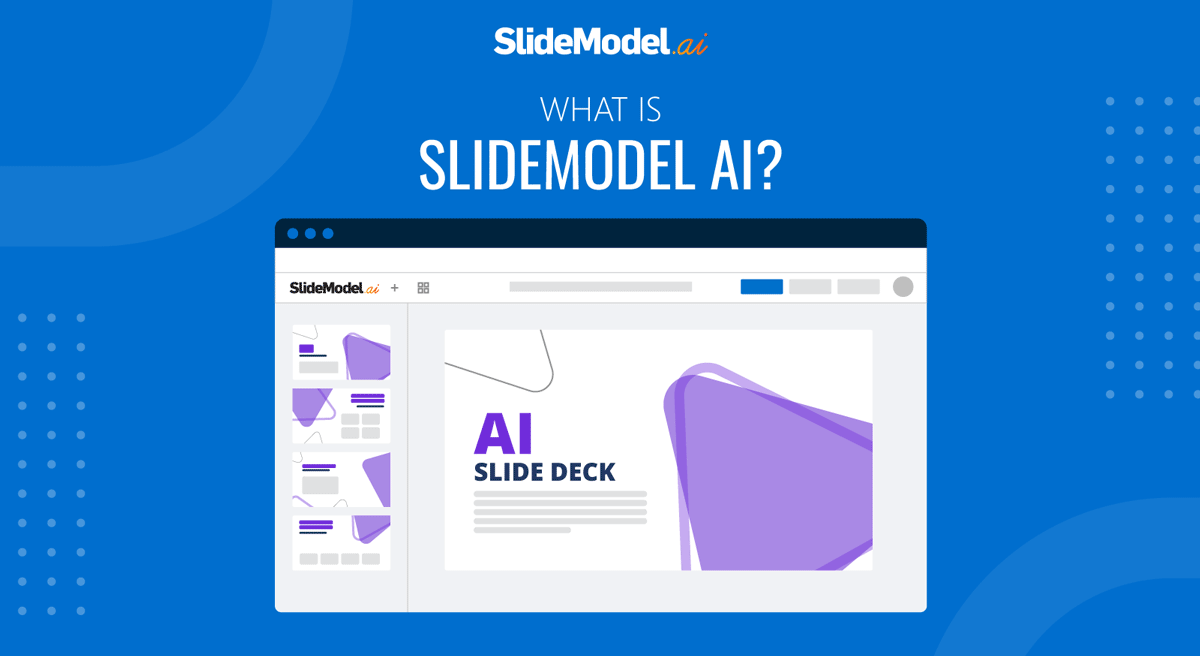
Presentation quality can make or break a pitch. SlideModel AI revolutionizes the way PPC professionals develop polished, client-ready slide decks by using prompts to generate design-ready slides instantly.
Best Features:
- AI Slide Generation: Enter a plain-language description and receive a finished slide layout
- Template Library: Thousands of templates geared toward marketing reports and performance presentations
- Data Visualization: Quickly converts campaign metrics into charts, graphics, and infographics
- Brand Consistency: Upload brand guidelines once and maintain visual cohesion across all slides
Pro Tip: Before client reporting sessions, export your campaign data and paste it into SlideModel AI with a prompt like: “Create a 5-slide performance report highlighting ROI, trends, and top metrics.” You’ll save hours of manual formatting.
3. ZeroGPT
As AI-generated writing becomes more widespread, transparency matters. ZeroGPT helps determine whether text appears AI-written—useful for reassuring clients about authenticity.
Best Features:
- AI Detection: Evaluates the likelihood that content was generated by AI
- Sentence-Level Insights: Flags lines that may be identified as AI-produced
- Readability Metrics: Includes Flesch reading-ease scores
- Batch Processing: Review multiple ad variations at once
Pro Tip: Run your AI-generated ads through ZeroGPT prior to launch. If certain sentences rank high on AI detection, lightly edit them to include industry-specific language, brand nuances, or conversational phrasing.
Essential Analytics & Research PPC Tools
4. Google Search Console
Though traditionally an SEO tool, Google Search Console offers valuable information for PPC professionals looking to understand how organic and paid search complement one another.
Best Features:
- Search Query Reporting: Identify the queries generating impressions—even without clicks
- Performance Metrics: Review CTR, clicks, impressions, and position
- URL Inspection: Ensure landing pages are indexed properly and mobile-optimized
- Core Web Vitals: Track user-experience metrics that influence Quality Score
Pro Tip: Cross-reference your top organic queries with your paid keyword lists. You’ll often uncover high-intent phrases that perform well organically but haven’t yet been added to your PPC campaigns.
5. Semrush
Semrush has matured into a full-scale digital marketing suite. PPC specialists use it for competitive research, keyword discovery, and campaign insights.
Best Features:
- Advertising Research: Access competitors’ keyword strategies, ad copy, and landing pages
- Keyword Magic Tool: Discover thousands of keyword variations with CPC, competition, and volume data
- PPC Keyword Tool: Get suggestions for cost-effective keyword additions
- Ad Builder: Create Google Ads with AI-supported recommendations
Pro Tip: Use the Advertising Research tool to examine your top competitors’ campaigns. Export their highest-volume paid keywords, sort by low competition, and target these strategic gaps.
6. Google Analytics
Google Analytics remains essential for linking ad clicks to meaningful business outcomes.
Best Features:
- Conversion Tracking: Monitor which campaigns drive leads, sales, or other conversions
- Attribution Modeling: Understand each channel’s role in the customer journey
- Audience Insights: Build detailed segments based on demographics and behavior
- Google Ads Integration: Combine data for unified reporting
Pro Tip: Build a PPC-focused dashboard that monitors bounce rate, session duration, and pages per session by campaign. This helps distinguish between traffic that’s engaged versus traffic that simply clicks and leaves.
Keyword Research & Planning Tools
7. Google Keyword Planner
Still the cornerstone of PPC keyword planning, Google Keyword Planner gives you data straight from Google.
Best Features:
- Forecasting: Predict performance based on your budget
- Discovery: Unearth new keyword opportunities
- Competition Levels: See how many advertisers bid on each keyword
- Bid Estimates: Understand likely CPCs in your target locations
Pro Tip: Look beyond high traffic numbers. Low-competition keywords with modest volume can deliver better ROI—especially when CPCs are far lower than popular alternatives.
8. Ahrefs
Though known for its backlink tools, Ahrefs offers powerful keyword and competitive data useful for paid campaigns.
Best Features:
- Keywords Explorer: Massive keyword database with precise metrics
- Content Gap: Identify keywords competitors rank for but you haven’t targeted
- SERP Overview: See who dominates paid and organic results
- Click Metrics: Evaluate actual click potential, not just volume
Pro Tip: Use “parent topics” to group keywords by shared intent. This allows you to consolidate ad groups and deliver clearer, more relevant messaging.
9. Google Trends
Google Trends gives marketers insight into how keyword interest fluctuates throughout the year.
Best Features:
- Interest Over Time: Easily visualize trends
- Regional Insights: Target locations with strong search interest
- Related Topics: Find rising or breakout terms
- Keyword Comparison: Compare up to five terms simultaneously
Pro Tip: Before launching seasonal campaigns, pinpoint when search demand begins rising. Increase budgets two to three weeks ahead of the peak to capture lower-cost traffic.
Design & Creative Tools
10. Canva
Canva empowers marketers to create eye-catching visual assets without design expertise.
Best Features:
- Ad-Sized Templates: Thousands of designs optimized for various ad formats
- Brand Kit: Keep colors, logos, and fonts consistent
- Magic Resize: Adapt a single design to multiple placements with one click
- Animation Tools: Add motion to static artwork to boost engagement
Pro Tip: Build a “swipe file” inside Canva with your best-performing creative templates. Duplicate and adjust them to launch new ads quickly and maintain visual cohesion.
Campaign Management Platforms
11. Google Ads
Google Ads remains the backbone of PPC advertising, offering unmatched reach across Google’s ecosystem.
Best Features:
- Smart Bidding: Automated strategies optimized for conversions
- Responsive Search Ads: Test headline/description combinations dynamically
- Advanced Targeting: Use remarketing, custom intent audiences, and more
- Performance Max: AI-driven campaigns across all Google properties
Pro Tip: Use the experiments feature to safely test major changes like new landing pages or bidding methods without jeopardizing overall performance.
12. Meta Ads Manager
Meta Ads Manager is the control center for Facebook and Instagram advertising.
Best Features:
- Advanced Targeting: Combine demographics, interests, and behaviors
- Lookalike Audiences: Reach people who resemble your best customers
- Creative Hub: Preview ads before launch
- A/B Testing: Evaluate audiences, placements, and creative variations
Pro Tip: Instead of separating Facebook and Instagram campaigns, rely on Advantage+ placements and let Meta optimize delivery across surfaces for you.
Automation & Integration Tools
13. Zapier
PPC management often spans multiple platforms. Zapier connects them to automate tasks and workflows.
Best Features:
- Multi-Step Zaps: Automate complex sequences
- Template Library: Thousands of ready-to-use workflows
- Conditional Logic: Automations that adapt based on rules
- Error Handling: Automatic retries and notifications
Pro Tip: Create alerts for key thresholds—such as CPA rising beyond target levels or budgets nearing depletion—to help you address issues before they become costly.
Competitive Intelligence Tools
14. SpyFu
SpyFu specializes in uncovering competitors’ PPC strategies in remarkable detail.
Best Features:
- Keyword Insights: See every keyword competitors have bid on
- Ad History: Review past and current ad copy
- Rank Tracking: Compare organic and paid rankings
- Kombat Tool: Evaluate keyword overlap among multiple competitors
Pro Tip: When breaking into a new vertical, analyze long-standing competitor ads. Their longevity often signals that their strategies deliver results worth modeling.
15. AdEspresso
AdEspresso streamlines Facebook and Instagram campaign creation while offering optimization capabilities beyond what Meta provides natively.
Best Features:
- Split Testing: Run multi-variable experiments at scale
- Automated Rules: Optimize campaigns automatically
- Unified Management: Oversee Meta and Google Ads from one dashboard
- Performance Breakdown: Evaluate which creative or targeting elements perform best
Pro Tip: Use grid testing to try multiple headlines, images, and CTAs at once. This dramatically accelerates the discovery of high-performing combinations.
Bringing It All Together
The tools above represent crucial components of a well-rounded PPC tech stack. You don’t need all fifteen at once, but knowing what each offers allows you to build a toolkit tailored to your workload and goals.
Begin with essentials like Google Ads, Meta Ads Manager, and Google Analytics. From there, layer in competitive research, keyword tools, AI content generation, and automation as your campaigns grow more complex.
As AI continues to reshape PPC, new tools will emerge and established platforms will evolve. The marketers who excel will be those who stay adaptable, test consistently, and focus on tools that genuinely impact performance.
What ultimately matters isn’t how many tools you use—it’s how effectively you use them to drive profitable results for both clients and campaigns.