Many brands still approach influencer marketing like an experiment — a short campaign, a few paid posts, and then silence until the next product launch. While this approach can bring quick visibility, it rarely builds meaningful brand equity or sustained growth.
To unlock the real power of influencer marketing, marketers need to think in programs, not projects. Sustainable influencer marketing is about creating a long-term ecosystem of trusted creators who evolve alongside your brand.
Building that kind of program requires structure, consistency, and a shift from short-term performance metrics to long-term relationship value.
Why Sustainability Matters in Influencer Marketing
Short-term influencer activations might spike impressions, but they don’t nurture brand loyalty. A sustainable approach creates continuity — it turns influencers into true brand advocates and audiences into repeat customers.
Here’s why marketers are rethinking their influencer strategy:
- Consistency builds trust. Audiences are more likely to buy when they see ongoing, authentic endorsement rather than a single paid post.
- Long-term creators understand your brand better. They become fluent in its tone, values, and goals, producing content that feels natural.
- Programmatic partnerships lower costs. Instead of negotiating each collaboration from scratch, you build ongoing agreements that maximize efficiency.
- Sustainability creates measurable growth. Regular, structured campaigns make it easier to track performance trends and optimize strategy.
1. Define a Clear Long-Term Vision
Before you start building relationships, define what your influencer program should achieve in the next 6–12 months — and beyond.
Ask yourself:
- What is the primary business goal (awareness, conversions, retention, or brand reputation)?
- Which audiences do we want to influence consistently over time?
- How do influencers fit into our broader marketing ecosystem?
A long-term program works best when influencer marketing is treated as part of an integrated strategy, not as an isolated experiment. The clearer your goals, the easier it is to choose creators and metrics that align with them.
2. Build an Influencer Relationship Framework
Think of influencer relationships as partnerships, not transactions. The most successful programs invest in creators the same way brands invest in customers — with respect, communication, and collaboration.
A relationship framework should include:
- Tiers of collaboration – from ambassadors to seasonal partners.
- Shared goals – mutual success metrics that matter to both brand and creator.
- Consistent communication – ongoing feedback, updates, and performance insights.
- Mutual value exchange – creators should benefit from growth opportunities, not just payment.
This structure turns influencer relationships into long-term assets rather than short-term expenses.]
3. Choose the Right Mix of Influencers
A sustainable program needs diversity. Combining macro influencers (for reach) and micro influencers (for authenticity and engagement) creates balance.
Macro creators help your brand reach broader audiences and establish authority. Micro influencers, meanwhile, drive credibility through community-driven conversations.
The optimal mix depends on your business goals and resources. For instance, a new brand may lean more on micro collaborations to build trust, while established brands can integrate macro voices to reinforce presence.
Using an influencer marketing platform can simplify this process by helping you discover, categorize, and manage multiple influencer types in one place.
4. Focus on Relationship Continuity, Not Campaign Cycles
Most influencer collaborations end when a campaign does. Sustainable programs do the opposite — they maintain momentum through continuous engagement.
You can achieve this by:
- Creating ongoing content themes that influencers can contribute to regularly.
- Re-engaging top performers after each campaign instead of rotating them out.
- Developing tiered loyalty programs that reward long-term partners with bonuses, early product access, or creative freedom.
- Maintaining communication between launches through newsletters, feedback sessions, or behind-the-scenes brand updates.
The goal is to make influencers feel like an extension of your brand, not a temporary hire.
5. Standardize Processes and Metrics
A long-term influencer program relies on consistency in onboarding, briefs, reporting, and evaluation.
Create standardized templates and workflows for:
- Campaign briefs and deliverables
- Contract terms and compliance guidelines
- Performance tracking and KPIs
- Feedback collection and content review
Standardization saves time and ensures that each new collaboration builds upon previous insights. It also enables data comparison over time, helping marketers identify trends and improve ROI.
6. Prioritize Data and Insight-Driven Optimization
Sustainable influencer marketing depends on learning from every campaign. Each collaboration generates valuable data about audience behavior, engagement quality, and content resonance.
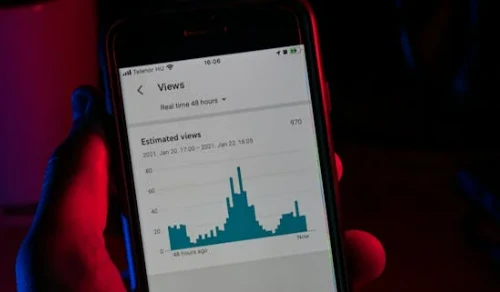
Track metrics beyond surface-level reach:
- Engagement rate and sentiment
- Conversion and click-through data
- Audience overlap and retention
- Cost per engagement or acquisition
Analyzing these results regularly helps refine your influencer mix, messaging, and content strategy. Over time, these insights turn your influencer program into a predictive, performance-oriented channel.
7. Align Influencer Content with Brand Storytelling
For long-term impact, influencer content must evolve in sync with your brand narrative.
Encourage creators to produce content that supports your broader storytelling arcs — product launches, brand milestones, social causes, or customer success stories.
When influencers contribute to the brand story consistently, audiences begin to associate their voice with yours. That alignment builds a deeper emotional connection and trust.
8. Build Internal Alignment and Ownership
A sustainable influencer program isn’t just an external initiative — it needs internal support.
Ensure your marketing, social media, PR, and content teams work together under one framework. This prevents fragmented messaging and makes performance tracking more accurate.
Assign clear ownership of influencer management, campaign performance, and reporting. Without dedicated roles, influencer marketing risks becoming inconsistent or deprioritized between other initiatives.
9. Measure Success Over Time
Short-term metrics like impressions and likes are helpful, but sustainability is proven through long-term growth indicators:
- Increase in brand mentions and sentiment
- Repeat collaborations and influencer retention
- Declining acquisition costs across campaigns
- Audience loyalty and content engagement stability
By measuring performance over quarters, not just single activations, you can demonstrate the cumulative value of influencer relationships.
10. Treat Influencers as Brand Partners
The final step is cultural, not procedural. Long-term influencer success happens when creators feel like collaborators in your brand’s journey.
Include them in product previews, ask for feedback, and invite them to co-create ideas. The more invested they feel, the more authentic their advocacy becomes.
This partnership mindset transforms influencer marketing from paid exposure into organic amplification — the foundation of sustainable growth.
Conclusion: Building Influence That Lasts
Sustainability in influencer marketing is about consistency, collaboration, and continuous improvement.
One-off campaigns can spark attention, but long-term programs build trust, community, and measurable growth. For marketers, the shift is clear — from transactional thinking to relationship-driven strategy.
By building structured processes, leveraging technology, and focusing on long-term partnerships, brands can turn influencer marketing into a reliable, scalable engine for growth that performs year after year.